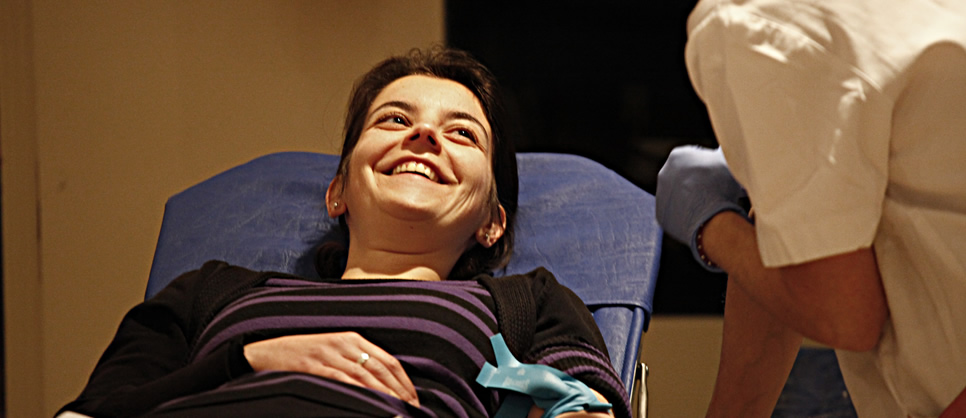
Blood Bank
Giving blood is a civic-minded act of solidarity that benefits society as a whole. For donors it only represents a few minutes of their time, but for many patients it may be the difference between life and death. Any healthy person between the ages of 18 and 70 who weighs more than 50 kilos is eligible to give blood.
Cord Blood Bank
Umbilical cord blood contains stem cells capable of generating new blood cells, and can therefore be used to cure leukaemia and other types of cancers. When you donate cord blood, you donate the dream of a better tomorrow.
Tissue Bank
Thousands of people desperately need a transplant in order to survive or improve their quality of life. The Tissue Bank obtains, processes, stores and distributes tissue from living donors and cadavers with every assurance of the highest quality and safety for patients.
Human Milk Bank
Thanks to the generous donations of countless nursing mothers, the Milk Bank is able to meet the special nutritional needs of newborn or premature babies born in Catalonia who, due to extenuating circumstances and by medical prescription, are unable to be nursed by their birth mothers.
Bone marrow donation
If you are between 18 and 40 years old, you could save the life of someone with blood cancer by donating your bone marrow.